


Water-Damaged Sheetrock: When to Repair and When to Replace
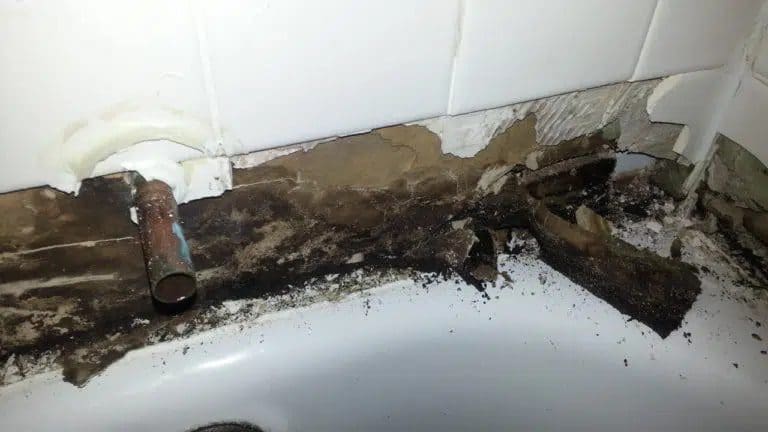
Water damage to sheetrock is one of the more common repair calls homeowners throughout Southlake and Colleyville deal with, whether from a roof leak, plumbing issue, or a past problem that's already been fixed but left visible damage behind. Understanding whether a repair is sufficient or whether full replacement is genuinely the better path protects both your budget and your home's long-term condition.
Why Water Damage Requires More Than a Cosmetic Fix
Unlike a simple hole or crack, water-damaged sheetrock often involves more than what's visible on the surface. Water can weaken the paper facing and gypsum core of the sheetrock itself, and depending on how long moisture was present, it may have also affected insulation, framing, or created conditions for mold growth that need to be addressed before any cosmetic repair takes place.
Signs That Point Toward Repair Being Sufficient
If water exposure was limited and addressed quickly, the affected sheetrock area is relatively small, and there's no evidence of mold, warping, or structural softening beyond the immediate area, a targeted repair, cutting out and replacing the specific damaged section, is often a genuinely sufficient solution rather than requiring a full wall or ceiling replacement.
Signs That Point Toward Full Replacement
Larger areas of damage, sheetrock that feels soft or crumbly to the touch, visible mold growth, a musty odor persisting in the area, or damage spanning multiple sections of a wall or ceiling typically indicate that full replacement of the affected panels is the more reliable long-term solution, rather than attempting to patch around a more extensively compromised area.
Why Addressing the Water Source Comes First
Before any sheetrock repair or replacement begins, the original source of water intrusion needs to be fully resolved, whether that's a roof leak, plumbing issue, or window seal failure. Repairing sheetrock without confirming the underlying water source has been fixed simply sets up the same damage to recur, wasting the repair investment entirely.
Checking for Mold Before Closing Up a Repair
Any water-damaged area with even suspected mold growth warrants proper assessment before repair work proceeds, since sealing damaged material behind new sheetrock without addressing mold can create ongoing air quality issues that aren't visible once the repair is cosmetically complete.
Matching Texture During Repair Work
Whether repairing a section or replacing full panels, matching the existing wall or ceiling texture is an important part of achieving a seamless, professional-looking result. Mismatched texture is one of the most common ways a sheetrock repair becomes visibly obvious even after painting, undermining what should otherwise be an invisible fix.
Why Painting Comes After Proper Repair, Not Instead of It
Some homeowners are tempted to simply paint over minor water staining without addressing the underlying sheetrock condition, but paint alone doesn't resolve structural weakening or hidden moisture issues, meaning the problem often resurfaces, sometimes worse, after a temporary cosmetic improvement.
Why Professional Assessment Matters
Determining whether water-damaged sheetrock genuinely needs repair or full replacement requires an experienced eye that can assess not just visible surface damage, but the underlying condition of the material and framing behind it.
The team at HDZ Express Painting assesses water-damaged sheetrock honestly for Southlake and Colleyville homeowners, recommending repair or replacement based on the actual extent of damage rather than defaulting to the more expensive option.

Dealing with water-damaged sheetrock in your home? Reach out to HDZ Express Painting for an honest assessment.

Making your dreams reality


