


Water Damage on Walls? Here's How Sheetrock Repair Fixes It
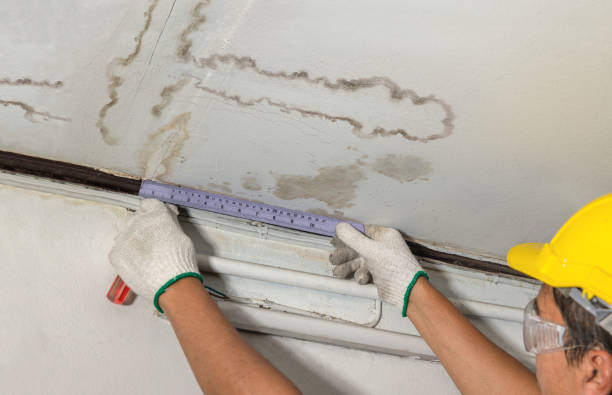
Discovering water damage on your walls can be stressful, especially when you're not sure how bad the underlying problem is. Whether it's a small stain near the ceiling or a soft, spongy patch of drywall, water damage needs prompt attention through professional sheetrock repair before it leads to bigger, more expensive problems.
Common Causes of Water Damage Behind Walls
Roof leaks are one of the most frequent causes of water damage requiring sheetrock repair, especially after severe weather or hailstorms common in the DFW area. Water can travel along framing before showing up as a stain far from the actual leak source, which is why water stains on ceilings or upper walls often need investigation beyond just the visible spot.
Plumbing issues, including slow leaks inside walls, are another common culprit. These leaks can go unnoticed for a while since they're hidden behind the sheetrock, often only becoming apparent once staining, bubbling paint, or a musty smell develops. Bathrooms and areas near plumbing lines are particularly prone to this type of damage, making sheetrock repair a common need in these spaces.
Humidity and poor ventilation, especially in bathrooms without adequate exhaust fans, can also cause gradual moisture damage to sheetrock over time, even without an active leak. This slow, ongoing exposure can weaken drywall and lead to the need for sheetrock repair even when there's no obvious single incident causing it.
Signs of Water Damage That Need Sheetrock Repair
Discoloration, typically yellow or brown staining, is one of the clearest signs of water damage on sheetrock. Bubbling or peeling paint is another common indicator, since moisture trapped behind paint causes it to lose adhesion to the wall surface. Soft, spongy areas that give slightly when pressed indicate the drywall itself has absorbed moisture and lost structural integrity, which almost always requires sheetrock repair rather than just a surface fix.
A musty or damp smell in a specific area, even without visible staining, can indicate moisture problems developing behind the wall that will eventually require sheetrock repair once they become visible.
Why Addressing Water Damage Quickly Matters
Water-damaged sheetrock that isn't addressed promptly can lead to mold growth, which creates both health concerns and more extensive, costly repairs down the line. Untreated water damage can also spread to surrounding areas, framing, and insulation, turning what could have been a straightforward sheetrock repair into a much larger project.
What Professional Sheetrock Repair for Water Damage Involves
Before any sheetrock repair begins, it's essential to identify and resolve the actual source of the water intrusion, whether that's a roof leak, plumbing issue, or ventilation problem. Repairing sheetrock without addressing the underlying cause simply means the same damage will reappear.
Once the source is resolved, damaged sheetrock is typically cut out and removed, since water-affected drywall, especially where the paper backing has become soft, can't simply be patched over. New drywall is installed in its place, taped, mudded, and sanded to blend seamlessly with the surrounding wall texture. If mold is present, additional remediation steps are taken before new sheetrock repair work begins, to ensure the problem is fully resolved rather than sealed behind new drywall.
Sheetrock Repair and Painting Go Hand in Hand
Once sheetrock repair addresses water damage, proper priming and painting are essential final steps. Water-damaged areas, even after repair, can sometimes still show slight discoloration through standard paint if not properly sealed with a stain-blocking primer first. This step ensures the repaired area blends invisibly with the rest of the wall once fully painted.
Tips for Homeowners Dealing with Water Damage
If you notice water stains or soft spots on your walls, it's best to have them assessed sooner rather than later, even if the area seems small. What looks like a minor spot can sometimes indicate a larger, ongoing issue behind the wall that's worth catching early through prompt sheetrock repair.
Why Professional Sheetrock Repair Matters for Water Damage
Water damage repair requires more than just patching a hole. It requires identifying the source, properly removing affected material, and ensuring the area is fully dry before new sheetrock repair work begins. Professional sheetrock repair ensures water damage is addressed thoroughly, preventing recurring issues and protecting your home's walls for the long term.

Dealing with water stains or damaged drywall? Request your free sheetrock repair estimate and get the problem fixed the right way.

Making your dreams reality


