


The Complete Guide to Interior Painting for DFW Homeowners
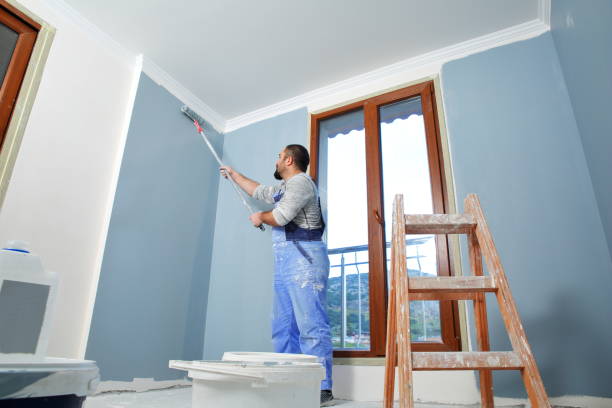
Interior painting is one of the fastest, most affordable ways to transform how a home feels. Whether you're refreshing a single room or repainting your entire house, the right interior painting job can make spaces feel brighter, more modern, and more valuable — but only when it's done correctly.
Why Interior Painting Matters More Than People Think
Homeowners often underestimate how much interior painting affects the overall feel of a space. Color impacts mood, natural light reflection, and even how large or small a room feels. A poorly chosen color or a rushed paint job with visible brush strokes, uneven coverage, or bleeding at the edges can make even a beautifully designed room look unfinished. On the other hand, professional interior painting with clean lines, smooth finishes, and well-chosen colors can completely elevate a home's interior.
Choosing the Right Paint Finish
One of the most common questions homeowners have about interior painting is which finish to use where. Flat and matte finishes hide imperfections well and are popular for ceilings and low-traffic rooms like formal living rooms. Eggshell and satin finishes offer a slight sheen and are easier to clean, making them ideal for hallways, bedrooms, and family rooms. Semi-gloss and gloss finishes are the most durable and moisture-resistant, which is why they're typically used in kitchens, bathrooms, and on trim and doors.
Getting this right matters for interior painting longevity. Using a flat finish in a high-traffic hallway, for example, means marks and scuffs will show more and be harder to clean, while a glossy finish on a textured wall can highlight every bump and imperfection.
Color Selection Tips for Interior Painting
Natural light plays a huge role in how paint colors actually look once they're on the wall. A color that looks perfect on a paint swatch under store lighting can look completely different in a north-facing room with limited natural light versus a bright, south-facing room. It's always worth testing a small sample patch on the actual wall and viewing it at different times of day before committing to a full interior painting project.
Neutral tones remain a popular choice for interior painting because they photograph well, appeal to a broad range of tastes, and make it easier to update decor down the line without needing to repaint. That said, an accent wall or a bolder color in a powder room or dining room can add personality without overwhelming the whole home.
What Professional Interior Painting Includes
A quality interior painting job is about more than just color on the wall. Proper prep work includes patching nail holes, sanding rough spots, taping off trim and fixtures, and protecting floors and furniture. Walls with existing damage, like cracks or old sheetrock repair jobs, need to be addressed before painting so the finish looks seamless rather than drawing attention to underlying flaws.
Professional interior painting also means using proper cutting-in techniques along ceilings, trim, and corners so lines stay crisp without the need for excessive tape lines that can peel paint when removed. Two coats are typically applied for full, even color coverage, especially when moving from a darker existing color to a lighter one, or vice versa.
Interior Painting and Home Value
For homeowners thinking about resale, interior painting is consistently one of the highest-return home improvement projects. Fresh, neutral interior painting throughout a home makes it feel move-in ready and well cared for, which matters a great deal to buyers walking through in person or viewing listing photos online. Scuffed walls, outdated colors, or visible touch-up patches can make an otherwise updated home feel neglected.
Tips for Homeowners Planning Interior Painting
If you're tackling multiple rooms, it helps to plan a flow of color that transitions naturally from space to space, especially in open-concept homes where rooms are visible from one another. It's also smart to think about furniture placement before finalizing colors, since large furniture pieces will affect how much wall color is actually visible day to day.
Timing is another consideration. Interior painting can typically be done regardless of season since it isn't affected by outdoor weather, but proper ventilation during the project and drying time afterward still matters for both the finish quality and indoor air quality.
Why Homeowners Choose Professional Interior Painting
While interior painting might seem like a manageable DIY project, professional results come down to prep work, technique, and materials that most homeowners don't have access to or experience using. A professional interior painting crew can complete a project faster, with cleaner lines and more even coverage than most DIY attempts, while also protecting furniture and flooring throughout the process.
If your home's interior is feeling outdated, scuffed, or just ready for a change, a professional interior painting project is one of the most effective ways to transform the space without a full renovation.

Ready to refresh your home's interior with a smooth, professional finish? Request your free interior painting estimate and see the HDZ Express difference for yourself.

Making your dreams reality


