


Staining Wood Ceilings and Exposed Beam Features
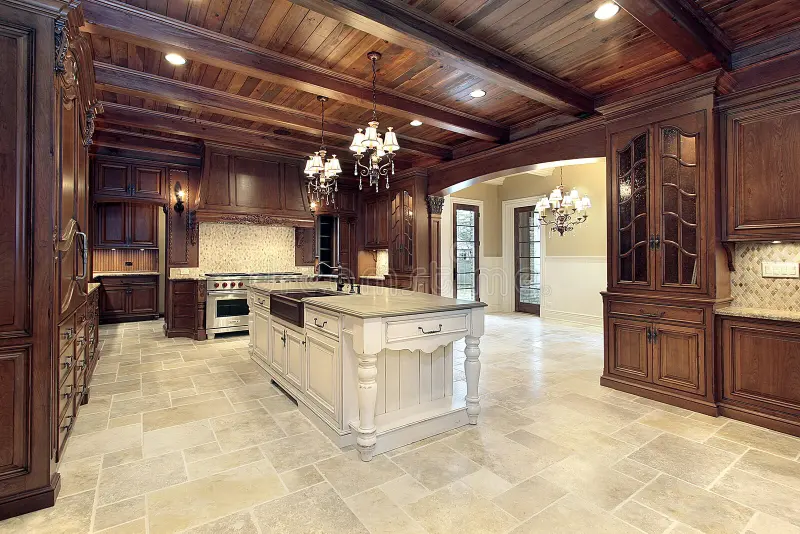
Wood ceilings and exposed beam features have become an increasingly popular architectural choice in DFW homes, adding warmth and character that flat drywall ceilings simply can't replicate. Staining these overhead wood features requires some specific considerations given their unique positioning and visibility.
Why Wood Ceiling Staining Differs From Other Projects
Unlike floor-level wood features, ceiling applications require working overhead throughout the entire staining process, from initial cleaning through final topcoat application. This overhead positioning affects both the physical approach to the project and the equipment needed to safely and effectively complete the work.
Common Wood Ceiling and Beam Applications
Tongue-and-groove wood ceilings, popular in porches, sunrooms, and increasingly in main living spaces, benefit from staining that highlights their linear grain pattern while providing appropriate protection. Exposed structural beams, whether load-bearing or purely decorative, are another popular application, often serving as a dramatic focal point in vaulted or high-ceiling rooms.
Choosing Stain Tones for Overhead Wood Features
Rich, warm tones like walnut or espresso have become popular choices for ceiling beams, creating dramatic contrast against lighter ceiling or wall colors. Lighter, more natural wood tones work well for tongue-and-groove ceilings, particularly in spaces aiming for a coastal, farmhouse, or organic aesthetic that benefits from a brighter overall feel.
How Lighting Affects Ceiling Stain Appearance
Overhead wood features interact with lighting differently than wall or floor-level wood, since light typically comes from below or from windows at eye level, creating different shadow and highlight patterns across ceiling wood than what you'd see on vertical surfaces. Testing stain samples with your room's actual lighting fixtures illuminated, in addition to natural light, helps preview how the color will genuinely appear once installed overhead.
Application Technique for Overhead Staining
Staining ceiling wood requires careful technique to avoid drips affecting surfaces below, along with the physical challenge of maintaining even coverage while working overhead, often requiring scaffolding or lift equipment for safe, thorough access depending on ceiling height.
Staining Interior vs. Exterior Exposed Beams
Interior exposed beams primarily need staining focused on achieving the desired aesthetic tone, since they're protected from weather exposure. Exterior beam applications, like those found on covered porches or pergola structures, require additional UV and moisture protection considerations similar to other outdoor wood staining projects.
Preparing Wood Ceilings and Beams for Staining
Proper prep for ceiling wood staining includes thorough cleaning to remove dust, which tends to settle more readily on horizontal or angled overhead surfaces than on vertical walls. Any existing finish that's degraded or inconsistent needs to be addressed, sometimes requiring light sanding to ensure even new stain absorption across the entire ceiling surface.
Coordinating Ceiling Stain With Room Design
Since wood ceilings and beams often serve as a significant design feature, coordinating the chosen stain tone with flooring, furniture, and other wood elements throughout the room helps create a cohesive, intentional overall aesthetic rather than a mismatched combination of different wood tones.
Maintenance Considerations for Overhead Wood Features
Since ceiling wood features aren't subject to the same physical contact as floor-level features, they generally require less frequent maintenance staining than heavily used surfaces like decks or stair railings, though periodic inspection for any fading or finish deterioration remains worthwhile.
Tips for Homeowners Considering Ceiling Wood Staining
If you're planning to stain a wood ceiling or exposed beams, discussing your room's specific lighting setup and overall design direction with your painting contractor helps ensure the chosen stain tone achieves the intended dramatic or cohesive effect once properly illuminated in your finished space.
Why Professional Staining Handles Overhead Wood Well
Given the unique access challenges and technique required for overhead application, professional staining ensures wood ceilings and beam features receive thorough, even coverage that showcases these distinctive architectural elements beautifully.

Ready to enhance your wood ceiling or exposed beams with professional staining? Request your free estimate today.

Making your dreams reality


