


Staining vs. Painting Your Deck: Which Is Right for Your Southlake Home
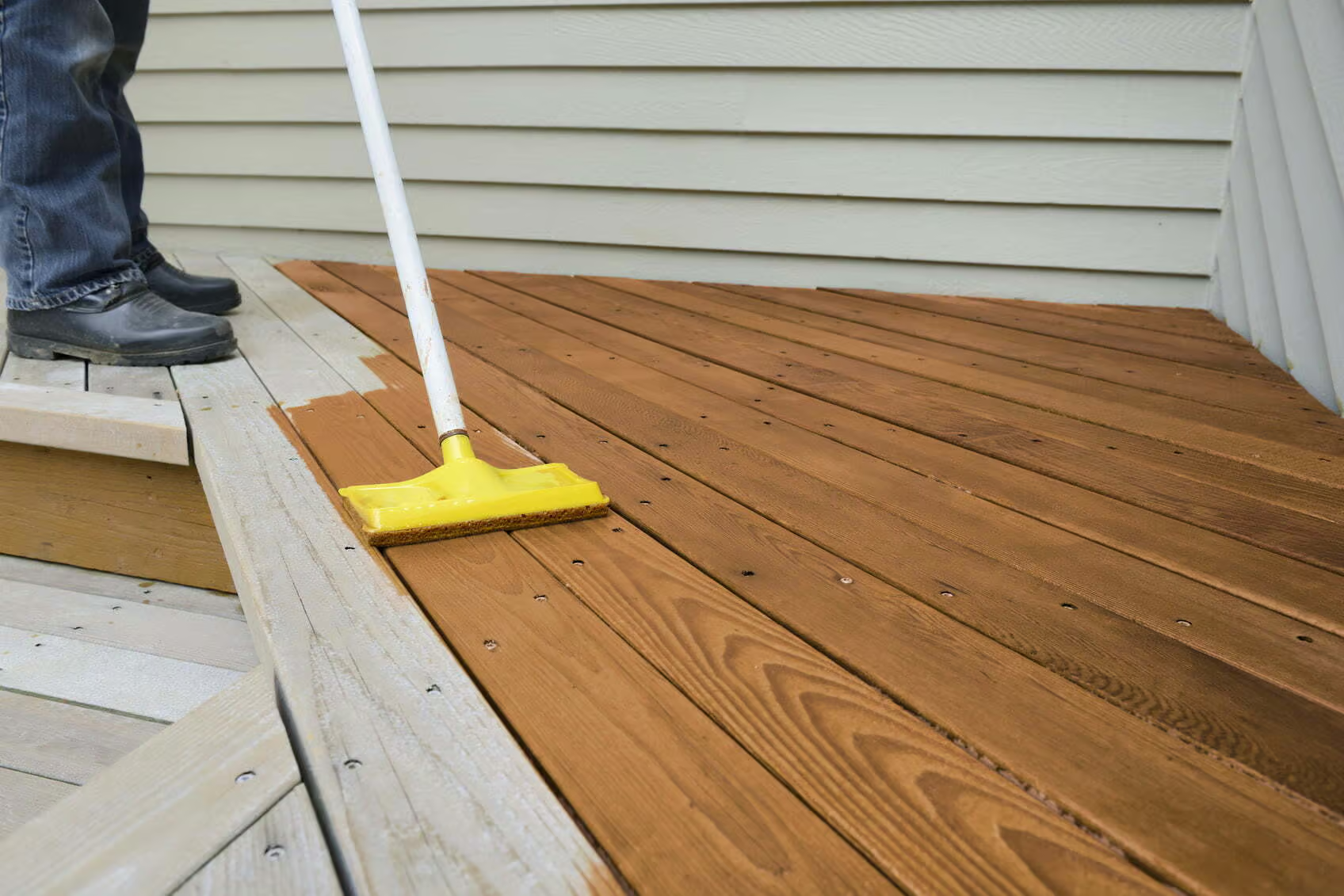
Homeowners preparing to refresh an aging or weathered deck often face a fundamental decision early in the planning process: whether to stain the wood, preserving its natural grain and texture, or paint it, providing more complete coverage and color options. Understanding the genuine tradeoffs between these two approaches helps ensure the choice fits both your aesthetic preference and how much ongoing maintenance you're willing to commit to.
How Staining Preserves the Wood's Natural Character
Stain penetrates into the wood itself rather than sitting on top as a surface coating, allowing the natural grain and texture of the wood to remain visible through the finish. This creates a more natural, classic deck appearance that many homeowners prefer, particularly for higher-quality wood species where the grain itself is an attractive feature worth showcasing.
How Painting Provides Different Advantages
Paint sits on top of the wood surface, providing a more opaque, uniform color coverage that can completely conceal wood imperfections, inconsistent coloring between boards, or minor surface damage that staining wouldn't fully hide. This makes painting a practical choice for decks where the wood itself isn't in pristine condition, or for homeowners wanting a bold color that stain simply can't achieve given its more transparent, natural-toned nature.
Durability Differences in DFW's Climate
Given Tarrant County's intense summer sun and periodic heavy rain, both stain and paint face real weathering challenges, though they tend to fail differently over time. Paint can develop peeling and chipping as the coating loses adhesion, particularly on a deck surface exposed to foot traffic and weather extremes, while stain tends to fade and wear more gradually, without the same dramatic peeling failure mode.
Maintenance Requirements Compared
Stained decks generally require more frequent reapplication, often every one to three years depending on sun exposure and stain type, but touch-ups tend to blend more naturally into the existing finish since new stain simply penetrates alongside older, faded stain. Painted decks can go longer between full recoats, but when paint does eventually fail, scraping and properly preparing the peeling areas before repainting is a more involved process than simply reapplying stain.
Considering Your Deck's Current Condition
A deck with wood in excellent condition, minimal staining or discoloration, and attractive natural grain is often better suited to staining, which showcases these qualities rather than covering them up. A deck with more significant wear, inconsistent coloring, or wood that's seen better days may benefit more from paint's ability to provide a more uniform, refreshed appearance regardless of the wood's underlying condition.
Proper Preparation Matters Regardless of Which You Choose
Both stain and paint require proper surface preparation, cleaning, sanding where needed, and ensuring the wood is fully dry, to achieve a lasting, quality result. Skipping proper preparation is one of the most common reasons either finish fails prematurely, regardless of which option is ultimately chosen.
Why Professional Guidance Helps With This Decision
Choosing between staining and painting depends on your deck's current condition, your maintenance preferences, and the aesthetic you're hoping to achieve, factors that benefit from an honest, experienced assessment of your specific deck rather than a generic recommendation.
The team at HDZ Express Painting helps Southlake and Colleyville homeowners decide between staining and painting based on their deck's actual condition and their long-term maintenance preferences.

Not sure whether to stain or paint your deck? Reach out to HDZ Express Painting for an honest recommendation.

Making your dreams reality


