


Staining vs. Painting Wood: Which Is Right for Your Project?
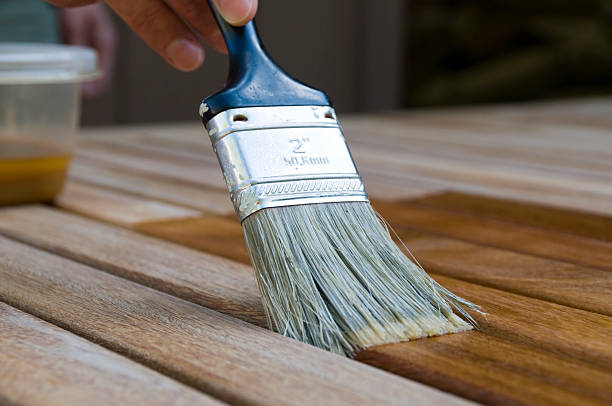
When it comes to protecting and updating wood surfaces around a home, homeowners often face a choice between staining and painting. Both options have their place, but understanding the differences helps homeowners choose the approach that best fits their specific project, whether it's a deck, fence, front door, or interior wood feature.
The Fundamental Difference Between Staining and Painting
Staining penetrates into the wood itself, enhancing and protecting the natural grain while allowing much of the wood's texture and character to remain visible. Painting, on the other hand, creates an opaque surface coating that fully covers the wood grain, offering a solid, uniform color rather than a natural wood appearance.
When Staining Makes More Sense
Staining is the better choice when you want to preserve and highlight a wood surface's natural grain and character, which is why it's such a popular choice for decks, fences, and front doors where that natural wood look is often the whole point of the material choice. Staining also tends to show wear more gradually than paint, since there's no solid coating that can visibly chip or peel in the same way.
Wood with attractive, distinctive grain patterns is generally a stronger candidate for staining rather than painting, since painting would completely hide the natural character that makes that particular wood appealing in the first place.
When Painting Makes More Sense
Painting works well when uniform, solid color coverage is the priority, or when the underlying wood has significant blemishes, inconsistent coloring, or repairs that would be more difficult to disguise with a transparent or semi-transparent stain. Painting also offers a broader range of color options, since paint isn't limited to wood-tone colors the way most stains are.
For surfaces like trim, doors intended for a bold color statement, or wood features where a completely uniform, opaque finish is desired, painting is typically the better choice over staining.
Durability Considerations
Both staining and painting can provide excellent, long-lasting protection when properly applied, though they behave somewhat differently over time. Paint creates a more visible failure pattern as it ages, often chipping or peeling in noticeable sections, while staining tends to fade and wear more gradually and evenly, sometimes making it feel like a lower-maintenance option for exterior wood surfaces, even though both technically need periodic reapplication.
Maintenance Differences Between Staining and Painting
Repainting typically requires more extensive prep work if the existing paint is chipping or peeling, including scraping and sanding to remove failing sections before applying a fresh coat. Restaining a previously stained surface is often somewhat less labor-intensive, since there's no solid paint layer to remove, though thorough cleaning and light sanding are still necessary for the best results.
Combining Staining and Painting in One Project
Some homeowners choose a combination approach, staining a wood feature like a deck or door to preserve its grain while painting adjacent trim or accents in a complementary solid color. This combination can create visual interest while balancing the natural, organic feel of stained wood with the clean definition that painted trim provides.
Cost Comparison
Generally, staining and painting costs are fairly comparable when accounting for similar prep work requirements, though the specific cost can vary based on the wood's condition, the number of coats needed, and the size of the project. It's worth discussing both options with your painting contractor if you're unsure which fits your budget and style goals best.
Tips for Deciding Between Staining and Painting
If you're drawn to the look of natural wood grain and your wood surface is in good condition, staining is likely the better fit. If you're dealing with wood that has significant blemishes, want a bold color option, or prefer a completely uniform, opaque finish, painting may serve your project better.
Why Professional Guidance Helps with This Decision
An experienced painting and staining team can assess your specific wood surface and help you weigh the pros and cons of each approach based on the wood's condition, your style preferences, and long-term maintenance goals.

Not sure whether to stain or paint your wood surfaces? Request your free estimate and get expert guidance for your project.

Making your dreams reality


