


Staining New Wood vs. Restaining Old Wood: Key Differences
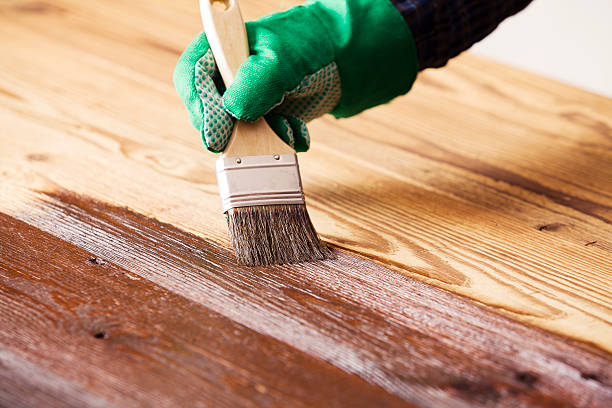
Whether you're staining a brand-new deck for the first time or refreshing an older wood feature that's been previously stained, the process and considerations differ in some important ways. Understanding these differences helps homeowners set realistic expectations for their specific staining project.
Staining New Wood: What to Expect
New wood, whether a freshly built deck, fence, or other feature, requires a period of time to properly acclimate and dry out before staining, since wood that's still retaining moisture from the construction process won't absorb stain evenly. This waiting period, often a few weeks depending on weather conditions and wood type, is an important step that's sometimes rushed, leading to uneven or poor stain absorption if skipped.
New wood also tends to have a naturally smoother, more consistent surface across all boards, since it hasn't yet experienced the weathering, graying, or wear that comes with years of outdoor exposure. This consistency generally makes staining new wood a somewhat more predictable process in terms of achieving even color absorption across the entire project.
Restaining Older Wood: What's Different
Older wood that's been previously stained requires more extensive prep work before restaining can begin. This typically includes thorough cleaning, often through pressure washing, to remove dirt, mildew, and any remaining old stain that hasn't fully worn away, along with light sanding in some cases to help the new stain properly absorb into weathered wood fibers.
Older wood also often shows more inconsistency across its surface, with certain boards more sun-exposed and faded than others, or areas with more significant wear than the rest of the structure. This uneven starting point can make achieving a fully consistent restained appearance somewhat more challenging than working with new, uniform wood.
Color Matching Considerations
When restaining older wood, particularly if you're trying to match a previous stain color, it's worth discussing with your painting contractor how weathering and previous product fading might affect how the new stain ultimately appears, since older, more porous wood can sometimes absorb stain slightly differently than it did when originally new.
Timing Differences
New wood staining projects benefit from being planned with the wood's necessary acclimation period in mind, sometimes requiring homeowners to wait several weeks after construction before staining can begin. Restaining projects on older wood don't require this same acclimation period, though they do benefit from being scheduled during a stretch of dry weather to ensure proper cleaning, drying, and stain application.
Prep Work Time Comparison
Restaining older wood generally requires more extensive prep time, cleaning, potential sanding, and repair of any damaged boards, compared to new wood, which mainly needs basic cleaning to remove construction dust and debris before staining. This difference in prep scope is worth factoring into project timelines and cost expectations.
Choosing Stain Type for Each Scenario
New wood, with its fresh, unweathered surface, generally accepts both oil-based and water-based stains well, offering more flexibility in product choice. For restaining older wood, particularly if a specific stain type was used previously, sticking with a compatible product type often produces more consistent, predictable results.
Tips for Homeowners Planning New Wood Staining
If you've recently had a new deck, fence, or other wood feature installed, it's worth discussing the appropriate waiting period with your painting contractor before scheduling staining, since proper timing significantly affects how well the stain ultimately performs.
Tips for Homeowners Restaining Older Wood
If you're restaining a feature that hasn't been refreshed in several years, budgeting for more thorough prep work, cleaning and potentially some sanding or repair, helps ensure the best possible result once new stain is applied.
Why Professional Guidance Helps With Either Scenario
Whether working with brand-new wood or refreshing an older, weathered surface, professional staining ensures the appropriate prep, timing, and product choices are made for lasting, beautiful results specific to your project's stage.

Whether your wood is new or needs a refresh, we can help. Request your free staining estimate today.

Making your dreams reality


