


Sheetrock Repair vs. Full Wall Replacement: When Each Makes Sense
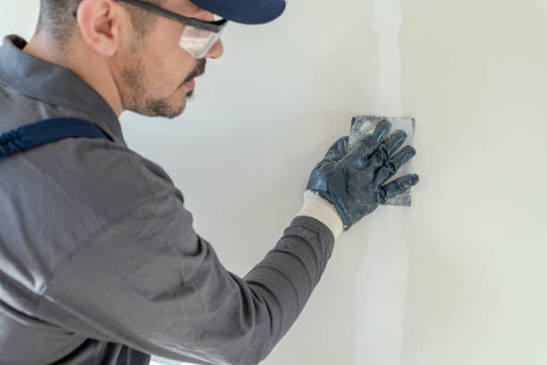
When homeowners discover significant wall damage, one of the first questions is whether standard sheetrock repair will resolve the issue or whether more extensive wall replacement is actually needed. Understanding how to tell the difference helps set appropriate expectations and avoid either under- or over-addressing the problem.
When Standard Sheetrock Repair Is Sufficient
The vast majority of wall damage, nail holes, dents, cracks, small to moderate holes, and even most water damage limited to a contained area, can be effectively addressed through standard sheetrock repair. This process involves patching, taping, and mudding the affected area, blending it seamlessly with the surrounding wall once properly primed and painted.
Signs That Point Toward Full Replacement
Extensive water damage covering a large portion of a wall, significant mold growth throughout the drywall, or structural damage affecting multiple areas of a single wall section are all situations where full replacement of that wall section, rather than patch-style sheetrock repair, often makes more practical sense.
Why Extent of Damage Matters
For a single hole or crack, even a fairly large one, cutting in a patch and blending it with surrounding texture is typically more efficient and cost-effective than removing and replacing an entire wall section. However, once damage covers a majority of a wall's surface area, patching multiple individual spots can become more labor-intensive and potentially less clean-looking than simply replacing the full section.
Water Damage: Repair or Replace?
For water damage, the deciding factor often comes down to how much of the drywall's paper backing and core have been compromised. Localized water staining that hasn't significantly softened or degraded the drywall itself can typically be addressed through standard sheetrock repair, including any necessary priming to block staining. More extensive water damage, particularly where drywall has become soft, crumbly, or shows visible mold, often calls for full removal and replacement of that section rather than attempting to patch compromised material.
Considering Underlying Causes
Whether repair or replacement makes sense also depends on whether the underlying cause of damage has been fully resolved. If a plumbing leak or roof issue caused the damage, ensuring this root cause is fixed matters more than the repair method chosen, since either a patch or a full replacement will eventually fail if the same water intrusion continues.
Cost Comparison Between Repair and Replacement
Sheetrock repair for isolated damage is almost always less expensive than full wall replacement, given the reduced materials and labor involved in patching a specific area versus removing and replacing an entire section. This cost difference is worth discussing with a professional if you're uncertain which approach your specific situation actually requires.
When Multiple Small Repairs Add Up
In some cases, homeowners have several smaller areas of damage scattered across a single wall or room, and it's worth having a professional assess whether addressing these individually through sheetrock repair remains the most efficient approach, or whether the cumulative extent of damage makes full replacement of that wall section more practical.
Texture and Finish Considerations
For walls with distinctive or hard-to-match texture, sometimes a full replacement of a damaged section, rather than a smaller patch, provides a more seamless result, since a larger new section can be textured more uniformly than trying to blend numerous smaller patches into complex existing texture.
Getting a Professional Assessment
Because the right approach depends on the specific extent, cause, and location of damage, an in-person assessment from an experienced sheetrock repair professional is the most reliable way to determine whether your situation calls for standard patching or more extensive replacement.
Tips for Homeowners Facing This Decision
If you're dealing with wall damage and unsure whether repair or replacement is the right call, getting a professional opinion before committing to either approach helps ensure you choose the most practical, cost-effective solution for your specific situation.
Why Professional Judgment Matters for This Decision
An experienced sheetrock repair team can accurately assess the extent and cause of damage, helping you understand whether standard repair will genuinely resolve the issue or whether more extensive replacement is the better long-term solution.

Not sure if your wall needs a patch or a full replacement? Request your free sheetrock repair estimate and get an honest assessment.

Making your dreams reality


