


Painting Built-Ins and Bookshelves: A Detailed Trim Work Project
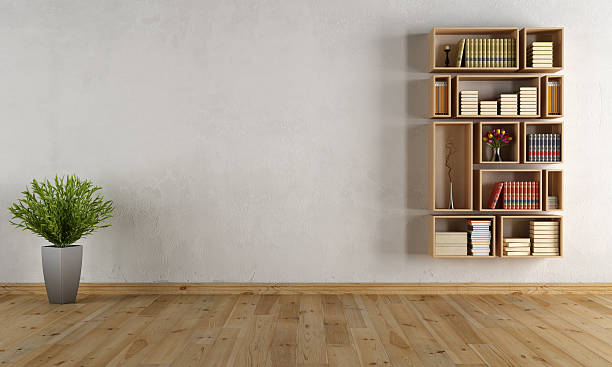
Built-in bookshelves, window seats, and cabinetry add custom character to a home, but painting these detailed features requires more careful trim work technique than standard baseboards or door casings. Understanding what makes built-ins unique helps homeowners appreciate the extra attention these projects deserve.
Why Built-Ins Present Unique Trim Work Challenges
Built-in shelving and cabinetry typically feature multiple surfaces, shelves, dividers, backing panels, and trim details, all requiring careful, methodical coverage. Unlike a straightforward wall or simple baseboard, built-ins have numerous angles and recessed areas where paint needs to be applied evenly without pooling in corners or leaving thin, inconsistent coverage on more exposed surfaces.
Choosing a Finish for Built-Ins
Semi-gloss or satin finishes are popular choices for built-in trim work, offering durability for surfaces that often hold books, decor, and other items that create regular contact and handling. This sheen level also provides enough definition to highlight the architectural detail built-ins typically add to a room.
Prep Work for Built-In Painting
Given how much built-ins are typically used and touched, thorough cleaning before painting is essential to remove dust and grime that accumulates on shelving surfaces over time. Any existing damage, like scratches, dents, or worn edges from years of use, should be filled and sanded smooth before trim work painting begins, ensuring a clean, uniform final appearance.
Painting Around Books and Decor
Since built-ins are rarely completely empty, painting these features properly requires either fully clearing the shelving beforehand or working carefully around remaining items, though a completely cleared shelf allows for far more thorough, even coverage than working around clutter.
Color Considerations for Built-Ins
White remains a popular, classic choice for built-in trim work, creating a clean backdrop that lets books, decor, and displayed items stand out. Some homeowners choose to paint the interior back panel of built-in shelving a contrasting color or even a bold accent shade, creating visual depth and making the built-in feel more like an intentional design feature rather than just functional storage.
Detailed Techniques for Built-In Trim Work
Built-ins often benefit from a combination of careful brushwork in corners and recessed areas, paired with small rollers for flatter surfaces like shelf tops and larger back panels. This combination approach helps ensure even coverage throughout the many different angles and surfaces a typical built-in presents.
Common Built-In Painting Mistakes
Rushing coverage in corners and recessed shelf areas is one of the most common trim work mistakes with built-ins, often leaving thin, uneven paint in these harder-to-reach spots. Skipping proper sanding of worn or damaged edges before painting is another frequent oversight that results in a less smooth, less professional final finish.
Built-Ins in Older Homes
Older homes with existing built-in shelving sometimes have layers of built-up paint that have softened crisp architectural lines over time. Careful sanding and prep in these cases can help restore sharper definition to the built-in's detail before fresh paint is applied.
Tips for Homeowners Planning Built-In Trim Work
If you're painting built-ins alongside a broader interior painting project, it's worth planning the color scheme together, deciding whether built-ins should match surrounding trim or stand out as a distinct architectural feature within the room.
Why Professional Trim Work Excels With Built-Ins
Given the numerous angles, recessed areas, and detailed surfaces built-ins typically present, professional trim work ensures thorough, even coverage throughout, delivering a polished, well-defined finish for these custom architectural features.

Ready for professionally painted built-ins or bookshelves? Request your free trim work estimate today.

Making your dreams reality


