


Oil-Based vs. Water-Based Stain: Which Is Better for Your Project?
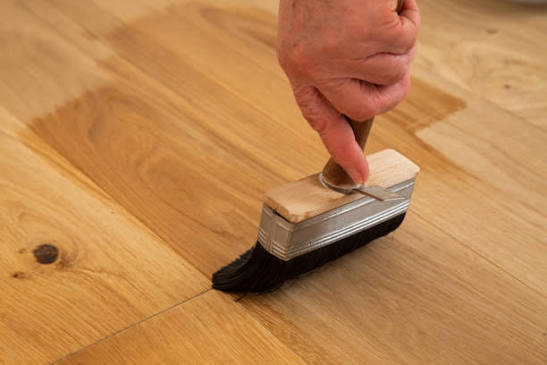
When planning a staining project, whether for a deck, fence, front door, or interior wood feature, one of the key decisions is choosing between oil-based and water-based stain formulas. Each type has distinct characteristics that affect appearance, durability, and application, and understanding these differences helps homeowners make an informed choice.
How Oil-Based Stain Performs
Oil-based stains penetrate deeply into wood grain, often providing rich, deep color saturation and excellent protection against moisture. This deep penetration tends to give oil-based staining a warm, traditional appearance that many homeowners prefer, particularly for decks, fences, and other exterior wood features exposed to significant weather.
Oil-based stains generally have a longer drying time compared to water-based options, which can extend project timelines but also allows for more working time during application, particularly helpful on larger staining projects like decks or fences where even coverage across a big surface matters.
How Water-Based Stain Performs
Water-based stains have become increasingly popular in recent years due to improvements in their formulation, offering better UV resistance and color retention than earlier generations of water-based products. These stains dry faster than oil-based options, which can be an advantage for staining projects with tighter timelines or when weather windows are limited.
Water-based stains also tend to have lower odor and easier cleanup compared to oil-based formulas, which some homeowners find more practical, particularly for staining projects closer to living spaces or during warmer months when ventilation considerations matter more.
Durability Comparison
Both oil-based and water-based stains can provide excellent durability when properly applied and maintained, though they tend to age somewhat differently over time. Oil-based stains often show wear more gradually, fading slowly rather than peeling, while quality water-based stains have closed much of the durability gap that existed in older product formulations, making both viable long-term options for most staining projects.
Environmental and Application Considerations
Water-based stains generally have lower levels of volatile organic compounds compared to oil-based formulas, which some homeowners prefer for environmental reasons, particularly for interior staining projects where indoor air quality is more of a consideration. Oil-based stains, while often providing excellent penetration and durability, do require more attention to ventilation during application due to higher VOC content.
Which Type Works Best for Different Projects
For exterior projects like decks and fences facing significant sun and weather exposure, either oil-based or quality water-based stains can perform well, and the choice often comes down to specific product performance, personal preference, and application timeline considerations. For interior wood features like railings and beams, water-based stains are often preferred due to lower odor and faster dry times in enclosed living spaces.
Reapplication and Maintenance Differences
When it comes time to restain a surface previously finished with oil-based stain, it's generally recommended to stick with oil-based products for subsequent coats, since water-based stain doesn't always bond as effectively over existing oil-based stain. This is an important consideration to discuss with your painting contractor if you're unsure what type of stain was used previously on a given surface.
Tips for Choosing Between Oil-Based and Water-Based Stain
If you're unsure which type was previously used on a wood surface, it's worth having a professional assess this before restaining, since choosing the wrong type for a maintenance coat can lead to poor adhesion or an uneven finish. For new staining projects, discussing your specific priorities, whether that's timeline, durability, odor, or environmental considerations, with your painting contractor helps determine the best fit.
Why Professional Guidance Helps with This Decision
An experienced staining team can walk you through the practical differences between oil-based and water-based options based on your specific project, wood type, and priorities, helping ensure you choose the right product for lasting, beautiful results.

Not sure which stain type is right for your project? Request your free staining estimate and get expert guidance today.

Making your dreams reality


