


How Much Does Professional Trim Work Cost? A Homeowner's Guide
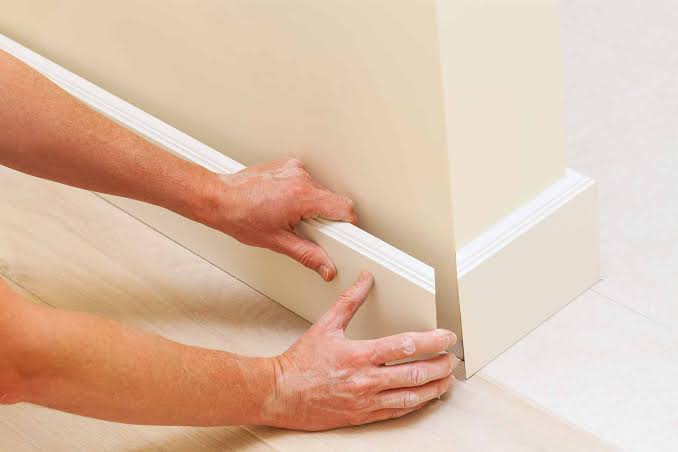
Trim work is often one of the more overlooked line items when homeowners budget for a painting project, but it plays a significant role in overall cost and final results. Understanding what affects trim work pricing can help homeowners plan realistically and know what to expect when requesting quotes.
Why Trim Work Pricing Varies
Trim work costs are influenced by several factors beyond just square footage or linear footage of trim being painted. The type of trim work involved, whether it's baseboards, crown molding, door casings, window trim, or a combination, affects both the time required and the techniques needed to achieve a clean, professional finish.
Current Condition of Existing Trim
Trim work that's already in good condition, simply needing a fresh coat, typically costs less than trim work involving significant repair. Damaged, chipped, or water-stained trim may need patching, caulking, or even replacement of sections before painting can begin, all of which add time and cost to a trim work project.
Number of Coats and Color Change
Trim work moving from a dark, existing color to a lighter shade, or vice versa, often requires additional coats and priming to achieve full, even coverage, which affects overall project cost. Simply refreshing existing white or light trim with the same color generally requires less coverage than a significant color change.
Height and Accessibility
Crown molding and trim work near vaulted ceilings, along staircases, or in other hard-to-reach areas require additional time, and sometimes specialized equipment like scaffolding, compared to standard baseboards or door casings at normal height. This accessibility factor can meaningfully affect trim work pricing, particularly in homes with dramatic architectural features.
Level of Detail and Trim Style
Ornate or detailed trim work, including decorative molding profiles, intricate casings, or wainscoting, requires more careful cutting-in and attention than simple, flat trim profiles. This added complexity and time typically factors into higher trim work costs compared to more basic, straightforward trim styles.
Whole-Home vs. Single-Room Trim Work
Trim work priced for an entire home typically offers better overall value per square or linear foot than a single small room, since there's more efficiency in setup, materials, and workflow across a larger project. Homeowners planning trim work in just one or two rooms should expect a somewhat higher relative cost compared to a whole-home trim refresh.
Trim Work Bundled with Other Painting Services
Many homeowners choose to have trim work done alongside wall painting, sheetrock repair, or other services in the same visit. Bundling trim work with these other services can sometimes offer better overall value than scheduling trim work as a completely separate, standalone project, since it reduces overlapping setup and prep time.
What's Typically Included in a Trim Work Quote
A thorough trim work quote should include surface prep, such as cleaning and light sanding, caulking of gaps and seams, priming where needed, and the appropriate number of coats for full, even coverage. Homeowners should ask specifically what's included when comparing trim work quotes, since a lower price may reflect fewer coats or skipped prep steps that affect how long the finish actually lasts.
Getting an Accurate Trim Work Estimate
Because so many factors affect trim work pricing, the most reliable way to understand costs for your specific home is through an in-person walkthrough. This allows a contractor to assess your trim's condition, style, accessibility, and scope, resulting in an accurate quote rather than a rough, generalized estimate.
Tips for Budgeting for Trim Work
If cost is a concern, prioritizing high-visibility areas first, like main living spaces and entryways, allows homeowners to phase trim work over time while still seeing immediate impact where it matters most. It's also worth discussing your specific goals with a contractor, since simpler trim styles and color choices can help manage costs without sacrificing a clean, finished look.
Why Investing in Quality Trim Work Pays Off
While trim work might seem like a smaller detail compared to full wall painting, it has an outsized impact on how finished and polished a space looks overall. Investing in quality trim work delivers clean lines and durable results that elevate the entire painting project.

Want a clear, accurate quote for your trim work project? Request your free estimate today.

Making your dreams reality


