


Garage Epoxy vs. Polyaspartic Coatings: Understanding the Difference
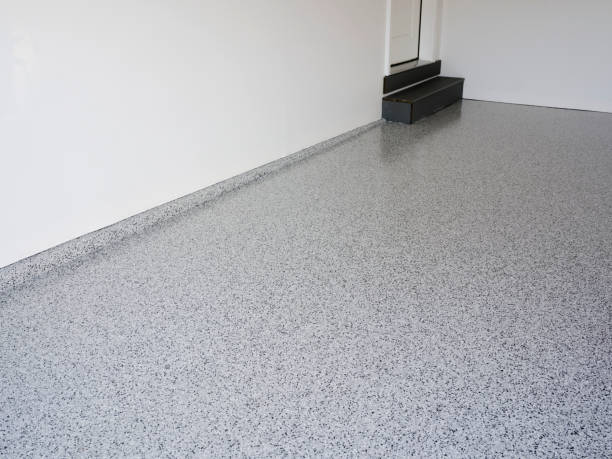
As garage flooring options have expanded, homeowners researching garage epoxy sometimes come across polyaspartic coatings as an alternative option. Understanding the differences between these two systems helps homeowners make an informed choice for their specific garage flooring project.
What Is Garage Epoxy?
Garage epoxy involves a two-part chemical coating that bonds with properly prepped concrete, creating a hard, durable surface. This traditional system has a long track record in residential garage flooring and offers a range of color and flake options, along with proven durability when properly installed.
What Are Polyaspartic Coatings?
Polyaspartic coatings are a newer type of polyurea-based flooring system, often applied similarly to epoxy but with some different chemical properties, including notably faster curing times compared to traditional epoxy systems.
Key Differences in Application Time
One of the most significant differences between these two systems is curing speed. Traditional garage epoxy typically requires several days for proper curing before the garage can return to full use, while polyaspartic coatings often cure considerably faster, sometimes allowing garage access within a day or so of application, which can be a meaningful advantage for homeowners wanting to minimize disruption.
UV Stability Differences
Polyaspartic coatings generally offer better UV stability than standard garage epoxy, meaning they're less prone to yellowing or fading from sun exposure over time, which can matter for garages with significant natural light exposure from windows or frequently open garage doors.
Durability Comparison
Both garage epoxy and polyaspartic coatings offer strong durability when properly installed, though polyaspartic systems are sometimes noted for slightly better resistance to hot tire pickup and certain chemical exposures compared to standard epoxy formulations.
Cost Considerations
Polyaspartic coatings often come with a higher upfront cost compared to standard garage epoxy, reflecting the different chemical formulation and sometimes faster, more specialized application process involved. Homeowners weighing these options should consider this cost difference alongside the specific benefits each system offers for their particular situation.
Application Complexity
Both systems require similar concrete prep work, proper cleaning, crack repair, and mechanical surface preparation, though polyaspartic's faster curing time means the application window during installation is sometimes more time-sensitive, requiring experienced installers familiar with this specific product's working characteristics.
Which Option Makes Sense for Your Garage
For most standard residential garage applications, quality garage epoxy continues to provide excellent durability and value at a more accessible price point. Polyaspartic coatings may be worth considering for homeowners specifically prioritizing faster turnaround time or heightened UV stability, particularly in garages with significant sun exposure.
Tips for Homeowners Comparing These Options
If you're weighing garage epoxy against polyaspartic coatings, it's worth discussing your specific priorities, timeline, budget, sun exposure, and intended garage use, with a knowledgeable installer who can help determine which system best fits your particular situation.
Why Professional Guidance Helps With This Decision
An experienced flooring installer can walk you through the practical differences between garage epoxy and polyaspartic options, helping you choose the system that best matches your garage's specific needs and your project priorities.

Not sure which flooring system is right for your garage? Request your free garage epoxy estimate and get expert guidance on your options.

Making your dreams reality


