


Crown Molding Installation: Adding Architectural Detail to Your Southlake Home
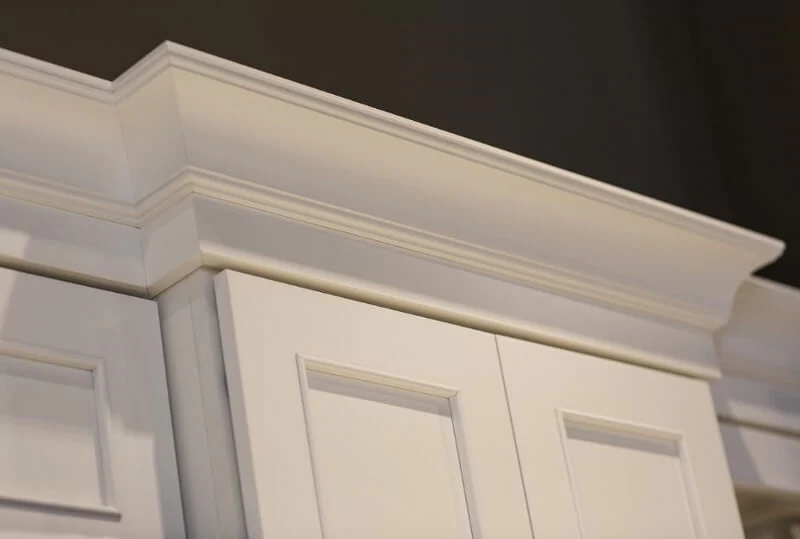
Crown molding remains one of the most reliable ways to add genuine architectural character to a room, bridging the transition between wall and ceiling with a detail that instantly elevates a space's overall finish level. For Southlake and Colleyville homeowners considering this addition, understanding what goes into proper installation helps set realistic expectations for the process and final result.
Why Crown Molding Makes Such a Noticeable Difference
A room without crown molding can feel visually unfinished at the ceiling line, even when everything else about the space is well designed. Adding crown molding creates a deliberate, finished transition that draws the eye upward and adds a sense of architectural intention that plain wall-to-ceiling junctions simply don't provide.
Choosing a Profile That Matches Your Home's Style
Crown molding comes in a wide range of profile styles, from simple, understated designs suited to more modern or transitional homes, to more elaborate, ornate profiles that complement traditional or formal architectural styles. Selecting a profile that genuinely matches your home's existing architectural character, rather than choosing based purely on personal preference without considering the home's overall style, results in a more cohesive final look.
Considering Ceiling Height and Room Proportions
Crown molding size and profile should be proportional to your room's ceiling height and overall scale. A large, elaborate profile can overwhelm a room with standard ceiling heights, while a molding that's too thin or understated may not deliver the visual impact intended in a room with taller ceilings or larger proportions.
Material Options for Crown Molding
Traditional wood crown molding offers a classic, high-quality feel but requires careful installation and finishing to achieve clean joints and a smooth painted finish. Composite and polyurethane molding options have become increasingly popular for their consistency, resistance to warping, and typically easier installation, while still delivering a convincing, high-quality appearance once properly painted and finished.
Why Corner Joints Are Where Quality Really Shows
The inside and outside corner joints of crown molding installation are where the difference between amateur and professional installation becomes most apparent. Properly coped or mitered joints, fitted tightly with minimal visible gaps, create a seamless, professional appearance, while poorly fitted joints leave visible gaps that undermine the entire installation's finished look.
Painting and Finishing After Installation
Once installed, crown molding needs proper caulking at joints and along the wall and ceiling lines to create a seamless, finished appearance before painting. This caulking step is essential for hiding minor gaps and ensuring the molding reads as an intentional architectural detail rather than an obviously separate, applied piece.
Where Crown Molding Makes the Biggest Impact
While crown molding can be added throughout an entire home, it often makes the biggest visual impact in formal living areas, dining rooms, primary bedrooms, and other spaces where a more elevated, finished aesthetic is a priority, compared to more utilitarian spaces where the investment may deliver less noticeable return.
Why Professional Installation Matters
Crown molding installation requires precise measuring, cutting, and joint work to achieve a genuinely clean, professional appearance. Poorly installed molding, with visible gaps, mismatched joints, or inconsistent lines, can actually detract from a room's appearance rather than enhancing it.
The team at HDZ Express Painting installs and finishes crown molding throughout Southlake and Colleyville homes, adding genuine architectural character with clean, professional execution.

Considering crown molding for your home? Reach out to HDZ Express Painting today.

Making your dreams reality


