


Ceiling Cracks and Sheetrock Repair: What Homeowners Need to Know
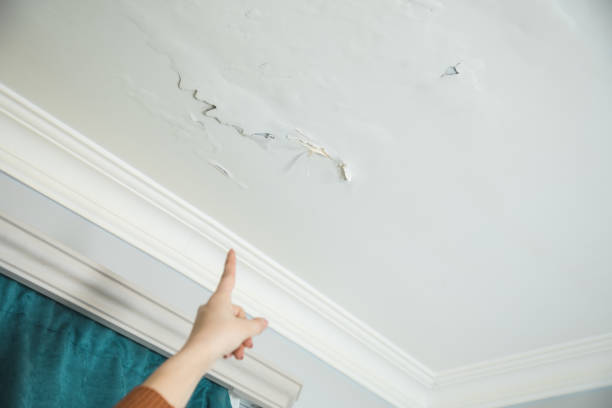
Ceiling cracks are one of the more concerning types of sheetrock damage for homeowners to notice, often raising questions about whether they signal a serious structural issue or simply normal wear that comes with time. Understanding common causes and how sheetrock repair addresses ceiling cracks can help homeowners know when to act and what to expect.
Common Causes of Ceiling Cracks
Foundation settling is one of the most common causes of ceiling cracks, particularly in Texas where clay soil expands and contracts significantly with moisture changes throughout the year. This ongoing movement can create stress on ceiling drywall, especially along seams and corners, leading to cracks that may reappear periodically even after sheetrock repair if the underlying settling continues.
Temperature and humidity fluctuations also contribute to ceiling cracks over time, as materials expand and contract with seasonal changes. Attic space temperature swings, especially in un-insulated or poorly ventilated attics, can put additional stress on ceiling drywall compared to more climate-stable spaces.
Water damage from roof leaks or plumbing issues above a ceiling is another significant cause of cracking, often accompanied by staining or sagging in the affected area. These cases require more than standard sheetrock repair, since the underlying moisture source needs to be resolved first.
Types of Ceiling Cracks and What They Mean
Small, hairline cracks along seams where two pieces of drywall meet are common and typically related to normal settling or minor humidity-related movement, addressed through standard sheetrock repair involving taping and mudding. Cracks radiating from a light fixture or vent often relate to the cutout area being a weak point, also generally manageable through routine sheetrock repair.
Larger, wider cracks, especially those accompanied by sagging or a spongy feel when pressed, suggest more significant damage, potentially involving water intrusion or structural movement, and should be assessed more thoroughly before repair begins.
Popcorn Ceilings and Sheetrock Repair Complications
Homes with textured popcorn ceilings present an additional challenge for sheetrock repair, since matching this specific texture requires particular techniques and products that aren't necessary for smooth ceiling repairs. In some cases, homeowners take the opportunity of needed sheetrock repair to have the popcorn texture removed and replaced with a smooth or modern texture instead, which is worth discussing during the repair assessment.
What Professional Ceiling Sheetrock Repair Involves
Ceiling sheetrock repair typically starts with assessing whether the crack is a simple seam issue or indicates a larger underlying problem. Small, hairline cracks are usually addressed by removing loose material, taping the crack properly, and applying joint compound in thin, even coats, allowing adequate drying time between applications for a lasting result.
Larger cracks or damaged sections may require removing a portion of the ceiling drywall entirely and installing a new patch, carefully blended with the surrounding texture and thickness. Because ceiling work happens overhead, this type of sheetrock repair often takes more time and careful technique than comparable wall repairs.
When Ceiling Cracks Signal a Bigger Issue
While most ceiling cracks are related to normal settling or minor humidity shifts, cracks that continue to grow significantly, appear suddenly and severely, or come with visible sagging should be assessed by a professional promptly, since these signs occasionally point toward more significant structural or moisture issues needing broader attention beyond standard sheetrock repair.
Tips for Homeowners Noticing Ceiling Cracks
If you notice a new ceiling crack, it's worth monitoring it briefly to see if it's stable or actively growing, though any crack accompanied by staining, sagging, or a musty smell should be addressed by a professional promptly rather than waiting. Taking a photo when you first notice a crack can help track any changes over time.
Why Professional Sheetrock Repair Matters for Ceilings
Ceiling sheetrock repair requires careful technique, proper texture matching, and an understanding of when a crack indicates something beyond normal wear. Professional sheetrock repair ensures ceiling cracks are properly addressed and blended seamlessly, restoring a smooth, finished appearance overhead.

Noticing cracks in your ceiling? Request your free sheetrock repair estimate and get it properly assessed and fixed. and see how much you could save.

Making your dreams reality


