


Cabinet Refinishing vs. Replacement: What DFW Homeowners Should Know
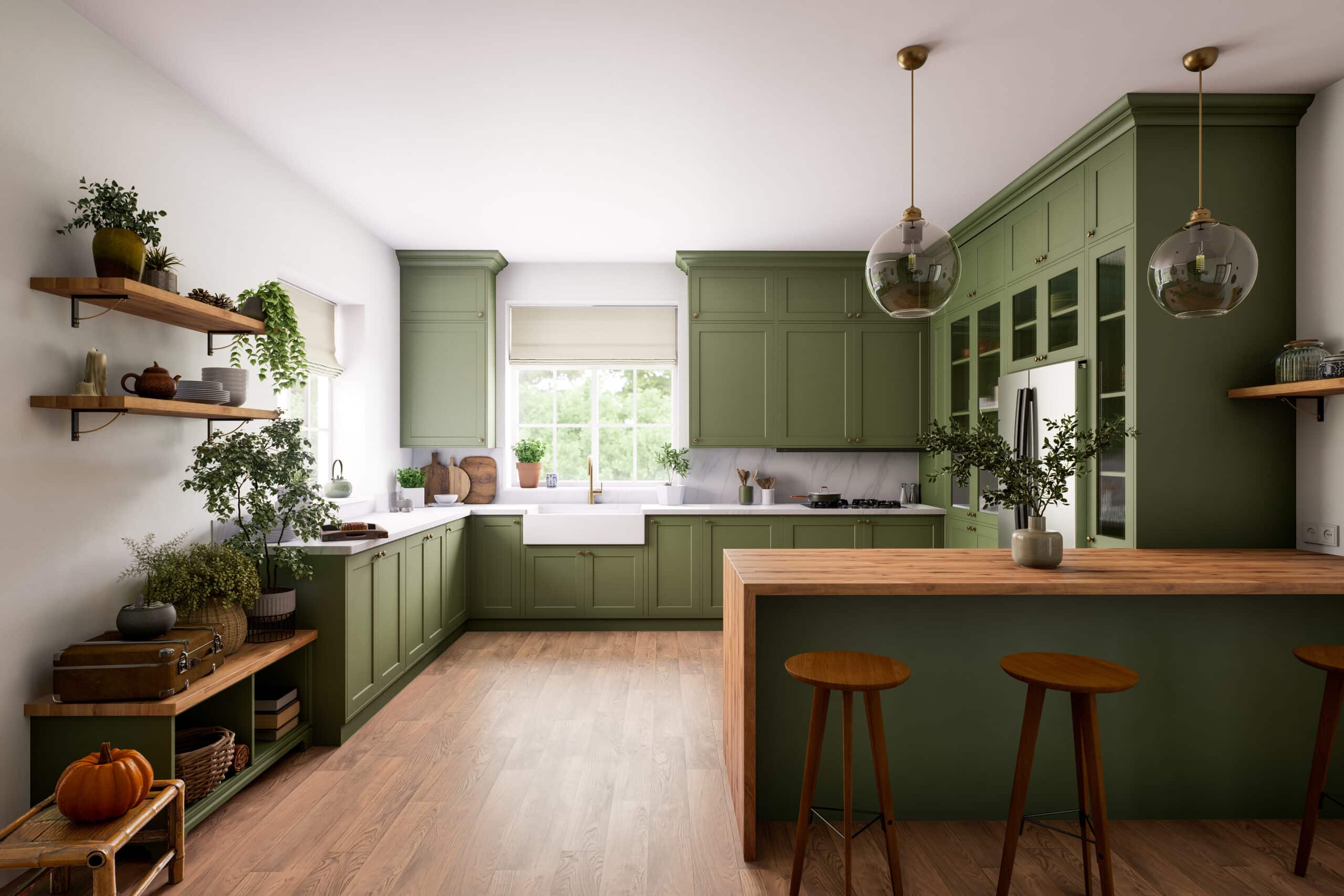
Kitchen cabinets take up more visual real estate than almost anything else in the room, which means outdated or worn cabinets can make an entire kitchen feel tired — even if everything else has been updated. When homeowners start researching how to fix this, they usually land on two options: full cabinet replacement or professional cabinet refinishing. For most homes, cabinet refinishing turns out to be the smarter choice.
What Is Cabinet Refinishing?
Cabinet refinishing is the process of restoring existing cabinet boxes, doors, and drawer fronts with a new painted or stained finish, rather than tearing everything out and installing brand-new cabinetry. Done professionally, cabinet refinishing can make cabinets look brand new, with smooth, durable finishes in modern colors, without the cost, mess, and timeline of a full kitchen renovation.
Why Homeowners Choose Cabinet Refinishing Over Replacement
The biggest reason homeowners choose cabinet refinishing is cost. Full cabinet replacement, including materials, installation, and often countertop or backsplash adjustments to match new cabinet dimensions, can run into tens of thousands of dollars. Cabinet refinishing accomplishes a similar visual transformation for a fraction of that cost, since the existing cabinet boxes and hardware locations stay the same.
Timeline is another major factor. Replacing cabinets can take weeks, involves significant disruption to daily life, and often requires temporarily living without a functional kitchen. Cabinet refinishing is far less invasive, since the existing cabinet structure stays in place while the finish is professionally stripped, prepped, and repainted or stained.
Cabinet refinishing is also a more sustainable option. Existing cabinet boxes are often solid wood construction that's still structurally sound, even if the surface finish looks dated. Cabinet refinishing takes advantage of that existing quality rather than sending usable materials to a landfill for the sake of a new look.
What Goes Into Professional Cabinet Refinishing
Quality cabinet refinishing is a detailed process, and it's why DIY cabinet painting projects often fail to hold up. Professional cabinet refinishing starts with removing doors, drawers, and hardware, then thoroughly cleaning surfaces to remove grease and buildup that accumulates in kitchens over years of cooking. Sanding comes next to create a surface the new finish can properly adhere to, followed by priming, especially important when moving from a dark stain to a lighter painted finish.
The actual painting or staining stage typically involves multiple thin coats for a smooth, durable finish that resists chipping. Many professional cabinet refinishing jobs use a sprayed application rather than brushing, which creates a factory-smooth finish free of brush marks. Once finished, doors and drawers are reattached along with either the original hardware or new hardware if homeowners want to update the look further.
Cabinet Refinishing Color and Style Trends
Two-tone kitchens remain popular in cabinet refinishing projects, where upper cabinets are painted a soft white or cream while lower cabinets or a kitchen island are done in a deeper color like navy, forest green, or charcoal. This creates visual interest without overwhelming the whole kitchen in one bold color. Classic white and off-white cabinets remain a top choice for cabinet refinishing because they brighten a space and pair well with almost any countertop or backsplash material.
For homeowners who love natural wood tones, cabinet refinishing through staining rather than painting can restore or update wood grain cabinets, deepening the color or evening out sun fading and wear without hiding the wood grain entirely.
Signs Your Cabinets Are a Good Candidate for Refinishing
Cabinet refinishing works best when the existing cabinet boxes are structurally solid, meaning no water damage, warping, or significant wear to the wood itself. If cabinet doors and drawers are still functioning properly, only the surface finish is outdated, worn, or simply not the style you want anymore, refinishing is almost always the better move over full replacement.
Tips for Homeowners Considering Cabinet Refinishing
If you're planning a cabinet refinishing project, it's worth thinking about hardware at the same time. Updating hinges, pulls, and knobs alongside a fresh cabinet finish can modernize the look even further for a relatively small additional cost. It's also worth discussing sheen level with your painter, since a satin or semi-gloss finish tends to hold up better in kitchens where cabinets are frequently touched, wiped down, and exposed to moisture.
Why Professional Cabinet Refinishing Matters
Cabinet refinishing requires patience, the right equipment, and experience to get a smooth, durable, long-lasting finish. A rushed or improperly prepped cabinet refinishing job can lead to chipping, peeling, or an uneven finish within months. Professional cabinet refinishing crews know how to properly prep, prime, and finish cabinets so the results look and perform like brand-new cabinetry for years to come.
If your kitchen cabinets are feeling dated but are otherwise in good shape, cabinet refinishing is one of the best ways to transform your kitchen without the cost or disruption of a full remodel.

Want to give your kitchen a fresh new look without the cost of full replacement? Request your free cabinet refinishing estimate today.

Making your dreams reality


