


Baseboard Painting Guide: Getting Clean Lines Along Every Floor
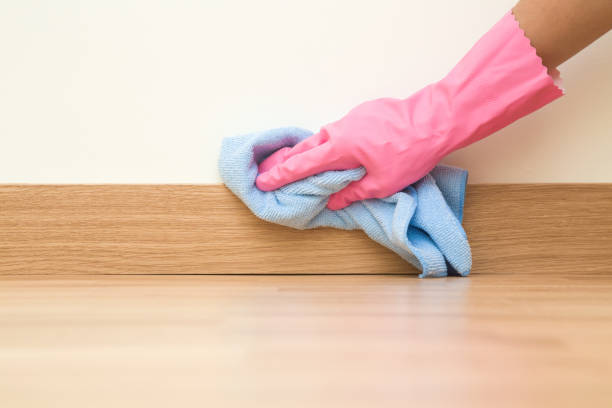
Baseboards may sit at the bottom of a room, but they play a significant role in how finished and polished a space looks overall. As one of the most common trim work projects, baseboard painting deserves more attention to detail than homeowners often expect, particularly since these surfaces face daily contact from feet, vacuum cleaners, and furniture.
Why Baseboards Wear Faster Than Other Trim
Baseboards experience more physical contact than almost any other trim work element in a home, from shoes and vacuum cleaners to furniture being moved and pets brushing against them throughout the day. This constant contact means baseboards often show scuffs, scratches, and dings sooner than crown molding or door casings, making baseboard painting a more frequent trim work need in active households.
Choosing the Right Finish for Baseboards
Semi-gloss remains the most popular finish choice for baseboard painting, offering durability and easy cleanability that holds up well to the frequent contact these surfaces receive. This glossier finish also creates a clean, crisp line of contrast against flooring, whether hardwood, tile, or carpet, that helps define the room.
Prep Work That Makes Baseboard Painting Last
Quality baseboard painting starts with thoroughly cleaning the surface to remove dust and grime that accumulates along the floor level more than anywhere else in a room. Filling any nail holes, dents, or gaps with wood filler or caulk, then sanding smooth, ensures a seamless surface before paint is applied. Caulking the seam where baseboard meets the floor and wall creates a finished look and helps prevent dust and debris from collecting in small gaps over time.
Getting Clean Lines Along the Floor
One of the biggest challenges in baseboard painting is achieving a crisp, straight line where the baseboard meets the flooring, particularly with textured flooring like tile grout lines or textured carpet edges. Careful hand-cutting, rather than relying entirely on tape, tends to produce the cleanest results, especially along uneven or textured floor transitions.
Baseboard Painting Around Furniture and Fixed Elements
Baseboards often run behind furniture, along closets, and around fixed elements like built-in shelving, all of which require careful navigation during trim work to ensure full, even coverage without leaving gaps or missed sections. Moving furniture away from walls during a baseboard painting project, rather than working around it, typically produces more thorough, professional results.
How Often Should Baseboards Be Repainted?
Given their high-contact nature, baseboards in active living areas may need touch-ups or full repainting somewhat more frequently than other trim work throughout a home, particularly in households with young children, pets, or heavy foot traffic. Lower-traffic areas, like formal living rooms or guest bedrooms, typically see baseboards holding up considerably longer between repaints.
Common Baseboard Painting Issues to Watch For
Yellowing over time, particularly with older oil-based paints, is a common issue that professional baseboard painting can address by switching to a modern, more color-stable acrylic paint. Chipped or cracked baseboards, especially at corners or seams, should be repaired with wood filler or caulk before repainting to ensure a smooth, seamless finish.
Tips for Homeowners Planning Baseboard Painting
If you're tackling baseboard painting throughout multiple rooms, it's worth doing this trim work in coordination with any broader interior painting project, since matching baseboard color and finish consistently throughout connected spaces creates a more polished, cohesive look. It's also smart to address any visible damage or gaps before painting, since fresh paint alone won't fix underlying issues.
Why Professional Baseboard Painting Delivers Better Results
Achieving clean, consistent lines along the floor throughout an entire home takes patience and careful technique, particularly in rooms with furniture, varied flooring transitions, or built-in features to work around. Professional trim work ensures baseboards look sharp and finished throughout every room.

Ready for crisp, clean baseboards throughout your home? Request your free trim work estimate today.

Making your dreams reality


