


Accent Walls Done Right: Interior Painting Tips That Actually Work
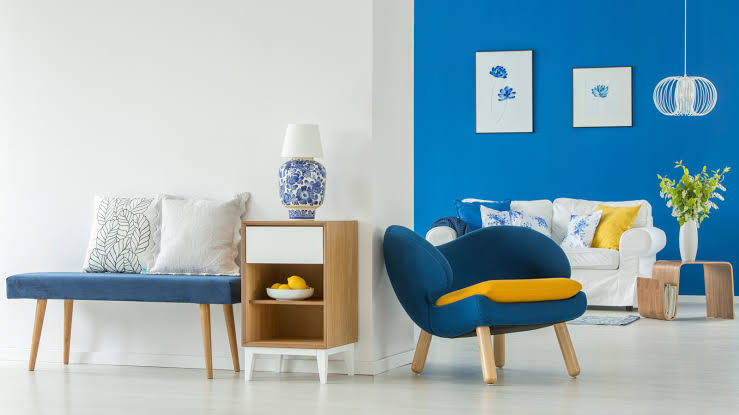
Accent walls remain a popular way to add personality and depth to a room without committing to a bold color throughout an entire space. But not every wall or every color works as an effective accent, and understanding a few key principles of interior painting can help homeowners get results that actually enhance a room rather than feeling like an afterthought.
Choosing the Right Wall for an Accent
The most effective accent walls are typically the one your eye naturally lands on when entering a room, often the wall behind a bed's headboard, a fireplace wall, or the wall a sofa backs up against. Interior painting an accent wall that doesn't naturally draw the eye, like a wall interrupted by multiple doorways or windows, tends to feel less intentional and can actually make a room look unbalanced rather than enhanced.
Choosing an Accent Color That Complements the Room
A successful accent wall typically uses a color that relates to the room's existing neutral tone rather than clashing sharply against it. If your room features warm neutrals, a deep, warm accent color like terracotta or a rich brown tends to feel cohesive, while cooler-toned rooms often pair well with accent colors like navy or a deep gray-blue. Interior painting an accent wall in a color with zero relationship to the rest of the room's palette can feel jarring rather than intentional.
How Dark Should an Accent Wall Be?
Accent walls tend to work best when they're noticeably deeper or richer than the surrounding wall color, creating clear visual distinction rather than a subtle difference that might just look like an inconsistent paint job. That said, extremely dark accent colors can overwhelm a small room, so balancing boldness with the room's actual size and natural light is worth considering during the interior painting planning process.
Finish Considerations for Accent Walls
While matching the sheen of surrounding walls creates a cohesive look, some homeowners choose a slightly different finish, like a soft eggshell accent wall against flat surrounding walls, to add subtle depth and light reflection. This is a smaller detail in interior painting, but it can enhance how an accent wall interacts with room lighting throughout the day.
Common Accent Wall Mistakes
One common misstep is choosing an accent color with no clear relationship to existing decor, furniture, or flooring, resulting in a wall that feels randomly selected rather than intentionally designed. Another frequent mistake is painting an accent wall interrupted by too many doors, windows, or corners, which breaks up the visual impact the accent is meant to create.
Overdoing accent walls throughout a home, with a different bold color in nearly every room, can also feel chaotic rather than curated. Interior painting works best when accent walls are used selectively in spaces where they'll have the most visual impact, rather than in every single room.
Accent Walls in Open-Concept Spaces
In open floor plans, where multiple rooms flow into one another, accent walls require extra consideration since the color will be visible from adjoining spaces. It's worth choosing an accent color that still feels cohesive with the overall home palette when viewed from connected rooms, rather than one that feels visually disconnected from the rest of the open space.
Alternatives to a Full Accent Wall
For homeowners hesitant about a bold, full accent wall, painting just the lower portion of a wall paired with a chair rail, or accentuating a smaller architectural feature like a nook or alcove, offers a subtler way to introduce interior painting contrast without committing to an entire wall in a dramatic color.
Tips for Homeowners Considering an Accent Wall
Testing your chosen accent color on the actual wall, viewed at different times of day, helps confirm it works well with the room's natural light before committing to a full interior painting project. It's also worth considering how the accent wall will look alongside existing furniture and decor rather than evaluating the color in isolation.
Why Professional Interior Painting Elevates Accent Walls
Clean, sharp lines where an accent wall meets the ceiling, trim, and adjoining walls make a significant difference in how polished the final result looks. Professional interior painting ensures these transitions are crisp and precise, allowing the accent color itself to be the star of the room.

Ready to add a striking accent wall to your space? Request your free interior painting estimate today.

Making your dreams reality


