


A Homeowner's Guide to Wood Staining in North Texas
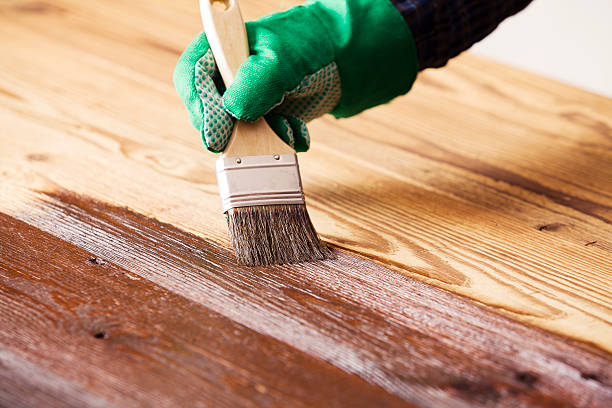
Wood adds warmth and character to a home, whether it's a deck, fence, front door, or interior beams, but exposed wood needs protection to hold up against North Texas weather. Professional staining enhances the natural beauty of wood grain while shielding it from sun, moisture, and everyday wear.
Why Staining Matters for Texas Homes
Texas summers bring intense UV exposure, and unprotected wood can dry out, crack, and gray within a year or two of installation. Staining creates a protective barrier that reduces UV damage while allowing the natural wood grain to show through, unlike paint, which fully covers the wood surface. This makes staining a popular choice for homeowners who want to protect wood surfaces without hiding their natural character.
Moisture is another major factor in North Texas, with humid summers and occasional heavy rain. Staining helps repel water, reducing the risk of warping, swelling, and rot that untreated or worn wood is prone to over time. Regular staining extends the lifespan of decks, fences, and other wood features significantly compared to leaving wood unprotected.
Common Staining Projects for Homeowners
Decks are one of the most common staining projects, since they take direct sun and weather exposure year-round. A properly stained deck not only looks better but resists slipping, splintering, and graying that comes from sun-bleached, untreated wood. Fences are another frequent staining project, particularly for homeowners who want a natural wood look rather than a painted fence, since staining highlights wood grain while still providing weather protection.
Front doors are a smaller but high-impact staining project, since a beautifully stained wood door creates a strong first impression and sets the tone for a home's exterior. Interior wood elements like beams, stair railings, and trim can also benefit from staining, whether to update the color tone or refresh worn, faded finishes.
Types of Stain and What They Mean for Homeowners
Transparent stains show the most wood grain but offer the least UV protection, making them best for wood that isn't heavily exposed to direct sun. Semi-transparent stains balance visible wood grain with better UV and moisture protection, making them a popular middle-ground choice for decks and fences. Solid color stains provide the most protection and hide more of the wood grain, functioning similarly to paint while still allowing some wood texture to show through, and are often chosen for older wood with more visible wear or inconsistent coloring.
What Professional Staining Involves
Quality staining starts with proper surface prep. Old, peeling stain or built-up dirt and mildew need to be cleaned or stripped away, typically through pressure washing or sanding, so the new stain can properly penetrate the wood. Any damaged boards or wood sections should be repaired or replaced before staining, since staining over damaged wood won't fix underlying structural issues.
Once the surface is properly prepped and fully dry, stain is applied evenly, often in multiple coats depending on the wood type and desired depth of color. Even application matters significantly with staining, since uneven absorption can lead to blotchy or streaky results, particularly on softer woods that absorb stain unevenly.
How Often Should Staining Be Redone?
Depending on sun exposure and the type of stain used, most exterior wood surfaces benefit from restaining every two to four years in North Texas. Surfaces with heavy direct sun exposure may need more frequent staining than shaded areas. Watching for graying, fading, or water no longer beading on the surface are good indicators that it's time for a fresh staining project.
Tips for Homeowners Considering Staining
If you're staining a deck or fence, it's worth considering the surrounding landscaping and home exterior colors to choose a stain shade that complements the whole property rather than standing out awkwardly. It's also smart to schedule staining during milder weather when possible, since extreme heat can cause stain to dry too quickly and not properly penetrate the wood.
Why Professional Staining Delivers Better Results
Staining might look simple, but achieving even, streak-free coverage that properly protects wood takes experience and the right technique. Professional staining ensures wood surfaces are properly prepped, evenly coated, and set up to last, protecting your investment in decks, fences, doors, and other wood features for years to come.

Ready to protect and enhance the wood surfaces around your home? Request your free staining estimate today.

Making your dreams reality


